





Change management on construction projects
Contents |
[edit] Introduction
Change management is the structured process of preparing for, implementing and supporting organisational change. It provides a framework to help individuals, teams and organisations adapt their responsibilities, behaviours and ways of working while maintaining business continuity. Within an organisation, change management may support the reallocation of budgets and resources, changes to business processes, organisational restructuring and the adoption of new ways of working.
Construction projects can often trigger significant organisational change. Clients and other organisations involved in projects may need to redefine business operations during the preparation of a project brief, restructure their organisation, relocate staff and business functions, develop strategies for moving from one building to another, or introduce new operational practices. Such changes can be complex and disruptive, making effective planning, communication and stakeholder engagement essential to maintaining operations and achieving project objectives.
In the context of construction projects, the term change management is also sometimes used to describe the management of changes to a project's scope, design or delivery. More accurately, this process is referred to as change control, whereby proposed changes that may affect cost, programme, quality, safety or performance are assessed, approved, documented and implemented in a controlled manner.
[edit] Change management during construction projects
Construction projects are inherently dynamic and changes may arise throughout the project lifecycle. Effective change management seeks to minimise disruption while ensuring that necessary changes are properly evaluated, communicated and implemented.
Common causes of change include:
- Client-requested design revisions.
- Unforeseen site or ground conditions.
- Changes to statutory, regulatory or planning requirements.
- Material shortages or wider supply chain disruption.
- Changes to project priorities, funding or budgets.
- Design coordination issues between consultants, contractors and specialist subcontractors.
- Errors or omissions in design information.
- Changes arising from value engineering or risk mitigation.
Understanding the causes of change enables project teams to anticipate potential issues, allocate appropriate contingencies and reduce the likelihood of unnecessary disruption.
[edit] Digital tools
Digital technologies increasingly support effective change management by improving communication, document control and collaboration across project teams. Common functions include:
- Recording and tracking change requests.
- Managing document revisions and version control.
- Sharing updated drawings and specifications.
- Maintaining audit trails of approvals and decisions.
- Providing all project participants with access to current information.
These capabilities help reduce the risk of miscommunication, design conflicts, rework and programme delays.
[edit] Good practice
Successful change management on construction projects generally includes:
- Establishing a clearly defined process for requesting, assessing and approving changes.
- Defining responsibilities and levels of authority for decision-making.
- Assessing the potential impact of proposed changes on cost, programme, quality, safety and project risk before implementation.
- Maintaining comprehensive records of change requests, approvals and document revisions.
- Communicating approved changes promptly to all affected parties.
- Monitoring the effectiveness of implemented changes and capturing lessons learned to inform future projects.
Early collaboration between clients, designers, contractors, specialist subcontractors and end users can significantly reduce the need for changes during construction. Identifying requirements, constraints and potential risks during the briefing and design stages helps minimise later changes, which are typically more costly and disruptive than those made earlier in project development.
[edit] Related articles on Designing Buildings
Featured articles
Check out some of the best features and news from Designing Buildings as well as key stories from around the web.

New Prime Minister delivers on ECA call for cut in electricity costs.

CIOB reacts to the announcement of Andy Burnham as Prime Minister.

Heritage and conservation science workforce survey - Have your say.

England's Suburbs 1820-2020. Book review.

New, more proportionate and targeted approach for higher-risk building assessments.

Government brings British Steel into public ownership.

UKCW Birmingham returns with bold new theme and focus.
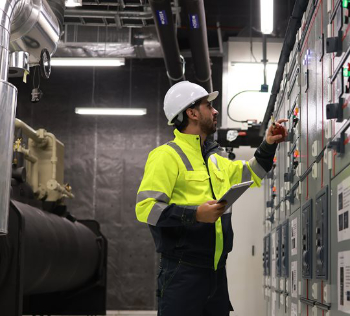
New guidance published on competence requirements for self-certification schemes.
Construction Management, 8 July

NEETs crisis drives interest in trades, but apprenticeships barriers remain.
Passive fire protection webinar
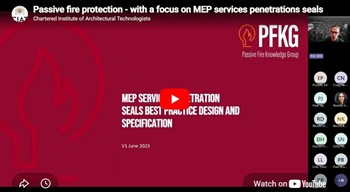
MEP services penetration seals.

Where its at podcast (and video) - The role of the Architectural Technologist as an Expert Witness.
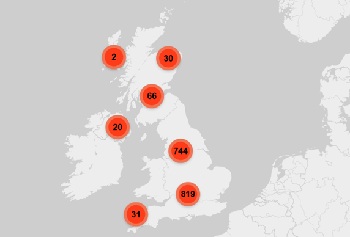
More than 200 remarkable buildings added to SAVE’s Buildings at Risk register.